Ballards Lane gardeners trusted garden maintenance in N12: a practical guide for local homeowners
If your outdoor space is looking a bit tired, overgrown, or simply impossible to keep on top of, you are not alone. Many gardens around Ballards Lane and the wider N12 area need more than the occasional weekend tidy-up. They need steady, thoughtful care. That is where Ballards Lane gardeners trusted garden maintenance in N12 comes in: a reliable, local approach that keeps a garden healthy, usable, and pleasant to look at without turning your weekends into a second job.
In this guide, we will look at what trusted garden maintenance actually involves, how it works in practice, and how to judge whether a service is right for your home. We will also cover practical maintenance steps, common mistakes, and the sort of local detail that tends to matter more than people expect. Truth be told, a good garden is often built on small, regular actions rather than big dramatic fixes.
One quick note before we begin: if you are also planning wider improvements, it can help to explore related services and advice such as garden maintenance support, lawn care, and this useful guide to the first steps in a garden makeover. Small changes add up, and sometimes that is the whole game.
Table of Contents
- Why Ballards Lane gardeners trusted garden maintenance in N12 Matters
- How Ballards Lane gardeners trusted garden maintenance in N12 Works
- Key Benefits and Practical Advantages
- Who This Is For and When It Makes Sense
- Step-by-Step Guidance
- Expert Tips for Better Results
- Common Mistakes to Avoid
- Tools, Resources and Recommendations
- Law, Compliance, Standards, or Best Practice
- Options, Methods, or Comparison Table
- Case Study or Real-World Example
- Practical Checklist
- Conclusion
- Frequently Asked Questions
Why Ballards Lane gardeners trusted garden maintenance in N12 Matters
A well-kept garden is not just about appearances. In a busy part of North London like N12, maintenance affects how usable your outdoor space feels, how safe it is, and how much work you face later on. A patio with moss underfoot, hedges leaning over boundaries, or a lawn full of bare patches can quickly make a garden feel neglected. And once a garden slips, it tends to slip fast. Gardens are a bit like washing up in that way, unfortunately.
Trusted maintenance matters because it balances routine care with judgement. A gardener who knows the area will understand how weather, shade, wind exposure, compacted soil, and urban planting conditions affect growth. That local awareness can change the outcome of a job. It can also save you from paying for a quick tidy that looks fine for a week and then falls apart by the next damp spell.
There is also a trust element that people often underestimate. Homeowners want to know that work will be done safely, respectfully, and consistently. That is especially true when the job includes ladder work, hedge cutting, shrub pruning, or clearing awkward corners. A reliable gardener should make the process feel calm rather than chaotic. If you want an example of the sort of structured work behind this, have a look at health and safety policy guidance and insurance and safety information.
Expert summary: Good garden maintenance is not just mowing and trimming. It is a repeatable system of care that protects plant health, keeps spaces tidy, and prevents small issues from becoming expensive ones.
How Ballards Lane gardeners trusted garden maintenance in N12 Works
Most professional garden maintenance starts with a simple assessment. The gardener looks at the size of the garden, the current condition, the level of growth, the kinds of plants involved, access points, and any recurring trouble spots. That first look matters because no two gardens need exactly the same plan. A compact front garden with a hedge and a strip of lawn needs a different rhythm from a larger back garden with borders, trees, and paved areas.
From there, the work is usually shaped around a maintenance schedule. For some homes, that means fortnightly visits. For others, monthly or seasonal visits are enough. The right frequency depends on growth rate, family use, and how much you want to keep on top of yourself. If you are aiming for a lower-maintenance layout, it may help to read budget-savvy tips for a maintenance-free garden and practical weed control strategies.
Typical maintenance work may include:
- lawn mowing and edge definition
- hedge trimming and shaping
- weeding and border tidying
- deadheading and seasonal pruning
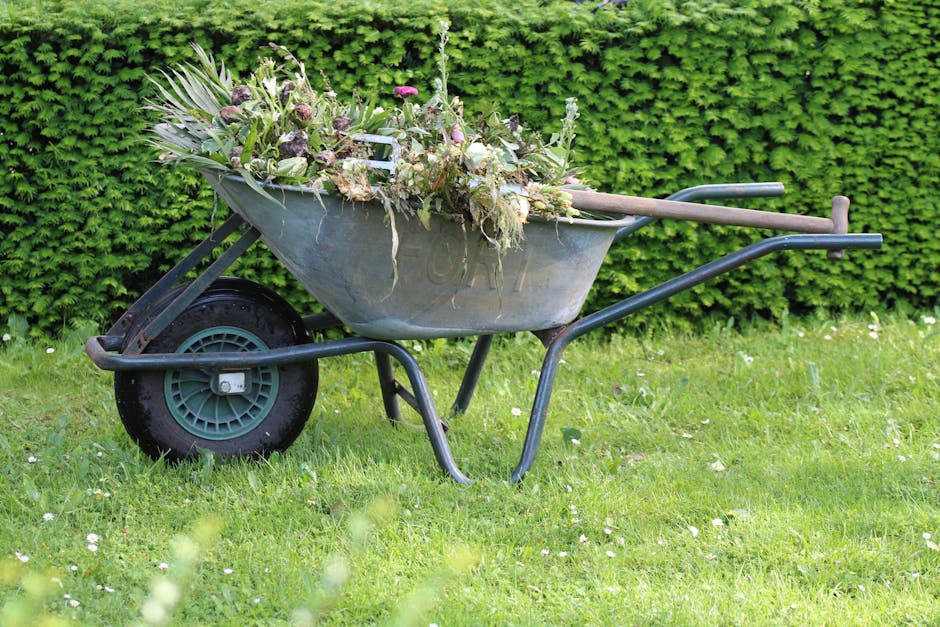
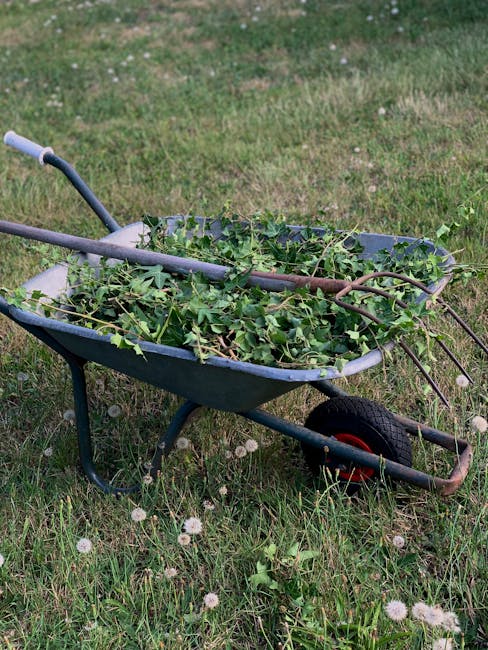
- leaf clearance and debris removal
- patio, path, and decking cleaning
- basic plant health checks
- light advice on watering, feeding, or planting changes
The best maintenance services do not rush straight in with tools. They think first. For example, if a shrub is leaning because it has been shaded out, just cutting it harder may not solve anything. If ivy has taken hold, the answer may be a more thorough removal approach rather than a quick pull. You can see that thinking in this ivy eradication guide and tree surgery services where structural plant issues need proper handling.
Key Benefits and Practical Advantages
People often start with maintenance because they want a nicer-looking garden, but the real benefits go a bit deeper than that. Regular care keeps the whole space functioning. It also reduces the number of emergency jobs that crop up later. A forgotten hedge can suddenly block light. A neglected lawn can thin out badly. A damp patio can become slippery and unpleasant to use. Little problems, as always, love to become bigger ones if you ignore them.
1. Better curb appeal
Front gardens create a first impression fast. A neatly edged lawn, controlled hedges, and clean paving make a property look cared for. That matters whether you are staying long-term or simply want the home to feel more welcoming.
2. Healthier plants
Regular maintenance keeps plants from competing too aggressively, falling into disease-prone clutter, or getting smothered by weeds. A gardener can spot when a border needs thinning, feeding, or reshaping before damage becomes obvious.
3. Safer outdoor spaces
Overgrowth hides trip hazards, damp surfaces, and weak branches. Proper upkeep makes the garden easier to walk through and easier to enjoy, especially for children, visitors, or anyone with mobility concerns.
4. Less stress for the homeowner
It is hard to relax in a garden that constantly nags at you. Maintenance removes that background worry. You look outside and think, "Fine, that is under control." Honestly, that feeling is worth a lot.
5. Better use of budget over time
Regular care often costs less than repeated rescue work. A small amount of upkeep can delay expensive remedial jobs like major clearance, heavy pruning, or patio restoration. If you are comparing options, the page on pricing and quotes is a sensible place to start.
| Maintenance approach | What it looks like | Best for | Typical trade-off |
|---|---|---|---|
| Reactive only | Fixing issues after they become obvious | Very occasional gardens | More work later, less predictability |
| Seasonal maintenance | Visits at key times of year | Medium-use gardens | Can miss fast growth in peak season |
| Regular scheduled care | Ongoing visits with a routine plan | Busy households, rental homes, show gardens | Requires commitment, but usually most stable |
If your garden also needs structure, privacy, or a redesign of awkward sections, you may want to combine maintenance with services like landscaping, fencing, or decking services. Maintenance and design really do work better together.
Who This Is For and When It Makes Sense
Trusted garden maintenance is useful for more people than you might expect. It is not only for large properties or pristine showpiece gardens. In fact, some of the best-fit clients are homeowners with practical needs and limited time. Sound familiar?
It usually makes sense if you:
- work long hours and cannot keep up with weekly garden tasks
- have a garden that grows quickly in spring and summer
- want to keep hedges, lawns, and borders tidy without doing everything yourself
- are preparing a property for sale or rental presentation
- have health, mobility, or time constraints
- need help bringing an untidy garden back under control
- want a child-friendly or pet-friendly outdoor space
Families often look for safer, more manageable gardens, especially if children use the space. If that is you, the guides on building a garden for little ones and creating a relaxing space for you and your dog are worth a look. They show how maintenance supports everyday living, not just appearance.
It also makes sense when your garden suffers from one recurring issue. Maybe it is shade. Maybe it is wind. Maybe ivy keeps coming back. Maybe the lawn is patchy because the soil has been compacted. In those cases, maintenance becomes more strategic than cosmetic. And that is a good thing, because cosmetic-only fixes rarely last.
Step-by-Step Guidance
Here is a practical way to approach garden maintenance, whether you are arranging professional help or deciding what to do yourself before a visit.
- Walk the garden properly. Look at lawn condition, hedge lines, borders, paving, fences, and any obvious problem areas. A five-minute glance is not enough. Slow down a little.
- Separate urgent tasks from routine tasks. Urgent might mean unsafe branches, blocked paths, or severe overgrowth. Routine might mean edging, weeding, and light pruning.
- Decide the maintenance frequency. Weekly, fortnightly, monthly, or seasonal? The answer depends on how fast the garden changes.
- Set priorities around use. If you use the patio often, cleaning it matters more. If privacy matters, hedge care becomes a top job. If you want more usable lawn space, lawn care rises up the list.
- Match the work to the season. Spring needs growth control and feed. Summer focuses on watering, mowing, and deadheading. Autumn is about leaves, tidying, and preparation. Winter is for structural care and resilience.
- Review results after the first visit. Good maintenance should leave the garden noticeably improved, but also set up better ongoing care. If it does not, the plan may need adjusting.
One detail people miss: maintenance is not only about cutting things back. Sometimes it involves removing a feature that is simply causing trouble. For example, when ivy is pulling at masonry or smothering a fence, the fix may require specialist attention rather than a quick tidy. Likewise, if a hedge is too large for safe hand pruning, the job may move into a more specialist area such as hedge trimming in North Finchley.
That practical sequencing matters. First stabilise the garden, then improve it, then keep it steady. Simple, but not always easy.
Expert Tips for Better Results
After years of seeing what works in real gardens, a few habits stand out. They are not glamorous, but they do make a difference.
Keep the lawn manageable, not perfect
People sometimes chase a showroom finish and end up disappointed. A lawn does not need to look like a sports pitch to feel tidy and healthy. Regular mowing, edging, and occasional feeding are usually enough for most homes.
Work with the garden's light and shade
North London gardens often have awkward pockets of shade near fences, garages, or taller neighbours. Instead of fighting those spaces, choose planting and maintenance patterns that suit them. Ground cover and climbers can help here, and there is a useful article on ground covers for UK gardens plus one on evergreen climbers for dark corners.
Do not let hedges drift for too long
Hedges respond better to regular shaping than to dramatic rescue cuts. A little care each season keeps them denser and neater. If privacy is important, that becomes even more relevant. The guide on swift privacy enhancement with hedges is a useful companion read.
Pay attention to soil, not just surface growth
Healthy gardens start below the surface. Soil that is too compacted, too dry, or lacking organic matter will keep causing problems above ground. Composting and waste conversion can help, and maximising soil health through waste conversion explains the idea well.
Choose low-drama plants where needed
If you want something easier to maintain, select plants that suit the site instead of forcing fussy choices into awkward conditions. Container planting can also be a clever shortcut for colour and flexibility. For that, see the joys of container gardening.
A small aside: no garden ever stays exactly the same for long. Not if the weather has anything to say about it, and it usually does. That is why consistency beats perfection every time.
Common Mistakes to Avoid
Plenty of garden owners mean well, but a few common missteps can make maintenance harder than it needs to be.
- Cutting too much at once. Heavy pruning can shock plants or leave unsightly gaps.
- Ignoring seasonal timing. Some tasks are best done at specific times; others are safer when growth is slower.
- Letting weeds seed freely. One missed spell can turn into weeks of extra work later.
- Using the wrong approach for the surface. Patio, decking, gravel, and grass all need different care.
- Only treating the visible problem. For example, treating moss without addressing shade or drainage rarely solves the root issue.
- Forgetting boundary spaces. Fence lines, corners, and side returns often become the messiest parts of a garden.
Another common one: people buy tools before they understand the job. A decent pair of shears is useful. A shed full of impulse buys, less so. If you are still building your basic setup, the article on fundamental tools for every garden lover is a sensible starting point.
And yes, sometimes the simplest mistake is just waiting too long. By the time you notice the hedge has become a wall, the tidy-up has turned into a project.
Tools, Resources and Recommendations
Whether you are doing light upkeep yourself or simply want to understand what a gardener might use, the right tools make everything smoother. You do not need a huge toolkit, but you do need the basics in decent condition.
- Long-handled shears for hedges and shaping shrubs
- Bypass secateurs for clean pruning cuts
- Lawn mower suited to your lawn size
- Rake and leaf collector for seasonal clear-downs
- Weed fork or hand weeder for borders and paving joints
- Pressure or patio cleaning equipment for safer hard surfaces, used with care
- Gloves, eye protection, and sturdy footwear for safety
For a broader service overview, it may help to compare general gardening services with more focused support like lawn mowing, patio cleaning, and lawn care. That makes it easier to decide whether you need a one-off tidy, a repeat service, or something more comprehensive.
For customers planning around budgets, the most useful recommendation is to ask for a clear scope. That means knowing what will be done, what will not be done, and whether waste removal or specialist work is included. It sounds obvious. It often is not, somehow.
Law, Compliance, Standards, or Best Practice
Garden maintenance in a residential setting is not usually complicated from a regulatory point of view, but there are still important standards and best practices to respect. These matter for safety, neighbour relations, and professional trust.
For example, work involving ladders, cutting tools, or machinery should be carried out with suitable care and protective equipment. Contractors should also be properly insured, especially where work could affect people, property, or vehicles nearby. If you are hiring a service, it is sensible to check the provider's health, safety, insurance, and terms information before work begins. That is not being fussy; that is being sensible.
Boundary issues are another practical concern. Hedges, overhanging branches, and climbing plants can sometimes affect neighbouring properties, so good communication helps avoid friction. In many cases, the best practice is simple courtesy: check access, discuss timing, and keep things tidy. It makes everyone's day easier.
Waste handling also deserves proper attention. Green waste should be dealt with responsibly, and a clean working method should leave paths, driveways, and shared access points safe after the job. If accessibility matters in your home or building, it is worth reading the accessibility statement as part of your decision-making. For broader customer clarity, the pages on terms and conditions, payment and security, and privacy policy are also helpful.
Best practice is really about three things: safety, consistency, and respect. If those are in place, the rest tends to fall into line.
Options, Methods, or Comparison Table
It helps to compare maintenance styles before deciding what is right for your garden. People often assume "more" is automatically better, but that is not always true. A small garden with light planting may need less attention than a larger, more ornamental space.
| Method | What it includes | Advantages | Best fit |
|---|---|---|---|
| One-off tidy-up | Clearance, mowing, trimming, basic reset | Fast improvement, useful before events or property photos | Overgrown gardens, short-term needs |
| Regular maintenance | Scheduled lawn, hedge, border, and hard-surface care | Steady results, less stress, fewer surprises | Busy households and long-term upkeep |
| Maintenance plus improvement | Routine upkeep plus planting, reshaping, and layout changes | Better long-term outcome, more tailored garden use | Gardens needing both care and redesign |
If privacy, structure, or layout are part of the problem, maintenance may need to sit alongside more defined work. In those cases, services such as ongoing garden maintenance, hedge trimming, and even fencing can work together as one plan.
Case Study or Real-World Example
Imagine a typical Ballards Lane property with a modest front garden, a narrow side return, and a back garden used by a family with two children and a dog. Over the winter, the lawn thins out, the hedge grows unevenly, and the patio starts to collect moss. By late spring, the space feels smaller than it really is because the edges have blurred and the seating area is dusty underfoot.
A sensible maintenance plan would not try to solve everything in one dramatic sweep. First, the overgrowth would be reduced and the access routes cleared. Then the patio would be cleaned, weeds removed from the paving joints, and the lawn cut back to a healthier routine. After that, the borders might be refined with easier-care planting and a few structural decisions about shade and privacy. The result is not just neater. It is more usable. The children have a clearer play area, the dog has fewer muddy corners to trail through, and the adults can actually sit outside without mentally making a list of jobs.
This is where local knowledge matters too. Gardens in N12 can vary a lot in exposure and layout, so a good maintenance approach should not feel generic. It should feel fitted to the home, almost like a good jacket. Not too tight, not too loose.
For gardens that need a calmer, more purposeful feel, related ideas like zen garden landscape ideas, garden seating arrangements, and small gardens with big impact can help shape the next stage.
Practical Checklist
Use this checklist before booking or beginning maintenance work:
- Walk the garden and note the main problem areas
- Decide whether you need one-off help or regular visits
- List priority tasks, such as mowing, hedge cutting, weeding, or cleaning
- Check whether access, parking, or gate details need to be shared
- Ask how waste will be handled
- Confirm whether specialist work is needed for trees, decking, or hard surfaces
- Review insurance, safety, and service terms
- Agree the maintenance frequency that matches how the garden grows
- Keep a simple record of what was done after each visit
- Revisit the plan after a month or two and adjust if needed
Helpful reminder: if you want to understand the provider's approach before you start, the about us page and complaints procedure can tell you a lot about how seriously a company takes its customer relationships. That sort of detail matters more than glossy wording.
Conclusion
Ballards Lane gardeners trusted garden maintenance in N12 is really about steady care, local understanding, and sensible planning. When a garden is looked after properly, it becomes easier to live with and nicer to use. It can feel more private, safer, and calmer, even on a wet Tuesday when the bins are out and the sky looks flat grey. Not glamorous, but real.
The best maintenance approach is the one that matches your garden's actual needs, not the one that sounds grandest. Start with the basics, build a routine, and choose help that feels dependable. If you do that, the garden stops being a chore and starts becoming part of the home again.
Get a free quote today and see how much you can save.
And if you take one thing from this guide, let it be this: small, consistent care beats last-minute rescue work almost every time. Your garden will thank you for it, quietly at first, then all at once.
Frequently Asked Questions
What does garden maintenance usually include in N12?
It usually includes lawn mowing, edging, hedge trimming, weeding, border tidying, leaf clearance, and sometimes patio or decking cleaning. The exact scope depends on the garden and the season.
How often should a garden be maintained?
That depends on growth rate and use. Fast-growing gardens may need fortnightly attention, while smaller or lower-maintenance spaces may be fine with monthly or seasonal visits.
Is a one-off tidy-up enough?
It can be, especially if the garden only needs a reset before an event, sale, or summer use. But if growth is quick or the space has recurring issues, regular maintenance is usually more effective.
How do I know if I need hedge trimming or full maintenance?
If the main issue is hedge shape or privacy, hedge trimming may be enough. If the lawn, borders, paths, and general growth also need attention, full maintenance is the better option.
Can garden maintenance help with a neglected garden?
Yes. A neglected garden often needs a clearance-style first visit, followed by routine upkeep. That approach is usually much more manageable than trying to fix everything at once.
What should I ask before booking a gardener?
Ask what is included, how often visits are recommended, how waste is handled, whether insurance is in place, and whether any specialist work may be needed. Clarity at the start avoids awkward surprises later.
How much does garden maintenance cost?
Costs vary depending on garden size, condition, frequency, and the type of work involved. For the most accurate figure, it is best to request a tailored quote rather than relying on a rough guess.
Do I need regular lawn care as well as maintenance?
Often, yes. Lawn care covers health-focused work like feeding, aeration, scarification, or treatment, while maintenance covers mowing, tidying, and general upkeep. They overlap, but they are not identical.
What if my garden has difficult corners, shade, or ivy?
Those are all common problems, and they usually need site-specific solutions. Shade may call for different planting, ivy may need careful removal, and awkward corners may benefit from ground cover or restructuring.
Are gardeners insured and safety-conscious?
Professional gardeners should be able to explain their insurance and safety approach clearly. If work involves tools, ladders, or heavier equipment, those points become especially important.
Can garden maintenance improve privacy?
Yes, especially when it includes hedge shaping, boundary planting, or selective pruning. In some gardens, privacy is one of the biggest reasons people book maintenance in the first place.
How do I keep my garden easier to maintain in the long run?
Choose plants suited to your light and soil, keep hedges trimmed regularly, avoid letting weeds seed freely, and think about low-maintenance ground cover in problem areas. A smart layout really does save time.