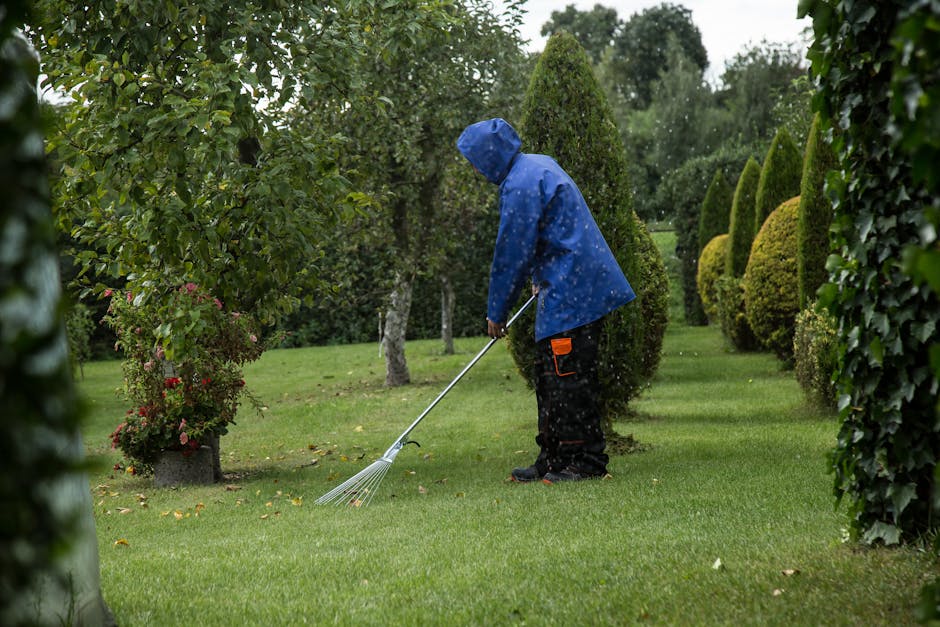
Avoid common mistakes when hiring gardeners North Finchley
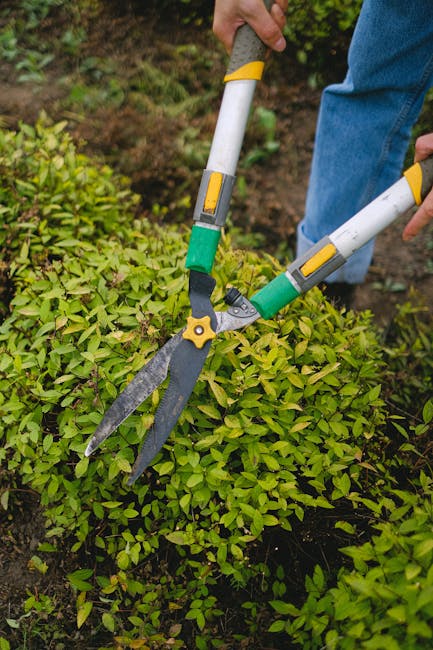
Hiring a gardener should make life easier, not add another problem to your weekend. Yet a lot of people in North Finchley end up with patchy results, hidden costs, or a team that simply does not understand what the garden actually needs. If you want to avoid common mistakes when hiring gardeners North Finchley, the smart move is to slow down a little, ask sharper questions, and judge the service on more than just a friendly smile and a low quote.
That matters because local gardens are never all the same. Some are narrow town plots with awkward shade. Some need regular garden maintenance; others need help with hedges, lawns, ivy, or a full redesign. The right gardener can save time, improve plant health, and keep outdoor spaces looking good through the messy parts of the year. The wrong one? Well, let's just say you may notice weeds reappearing faster than you expected.
This guide walks through the most common hiring mistakes, how to avoid them, what to check before you book, and how to compare options in a way that feels sane rather than salesy.
Why Avoid common mistakes when hiring gardeners North Finchley Matters
Garden work often looks straightforward from the outside. Trim a hedge, mow a lawn, clear some borders, maybe tidy the patio. But once a gardener starts, the details matter. Soil condition, plant timing, access, waste removal, weather windows, and safety all affect the result. A rushed hire can lead to poor pruning, missed maintenance, repeated call-backs, or damage to plants that took years to establish.
In North Finchley, the stakes can be higher than people expect. Many gardens here have limited space, mixed planting, mature hedges, or hard landscaping that needs careful handling. A gardener who does not ask the right questions may treat a small urban space like a large suburban plot. That is where trouble starts.
It is also worth thinking beyond appearance. A good gardener helps maintain plant health, manage seasonal work, and keep the garden usable. A bad choice can mean over-cut shrubs, uneven grass, poor weed control, or a patio that stays grimy because the work was not matched to the surface type. If you are looking at a bigger transformation, a local guide like the first steps in a garden makeover can help you think more clearly about scope before hiring.
Expert summary: the best gardener is not always the cheapest or the loudest seller. It is the one who understands your garden, explains what they will do, and sets expectations clearly from the start.
How Avoid common mistakes when hiring gardeners North Finchley Works
The hiring process should be simple, but not casual. First, you identify the type of work you need. That might be routine upkeep, hedge trimming, lawn care, patio cleaning, planting, or a larger landscaping project. Then you compare gardeners based on experience, scope, communication, and trust signals.
A sensible process usually goes like this:
- You define the garden task clearly.
- You ask for a written quote or at least a clear breakdown.
- You check whether the gardener understands your priorities and constraints.
- You confirm scheduling, access, waste handling, and payment terms.
- You agree on what success looks like before work begins.
This approach matters because many disputes come from assumptions. One person expects border tidy-up and light pruning; the other thinks they were asked to reshape the whole garden. That mismatch is avoidable if you are precise up front.
If you are unsure what level of service you need, it helps to review a broader range of gardening services and then narrow down from there. For long-term upkeep, some homeowners prefer a standing garden maintenance plan. Others just want help for one or two specific jobs.
And yes, a bit of friction early on can save a lot of irritation later. That is not being difficult. That is being sensible.
Key Benefits and Practical Advantages
Choosing carefully brings benefits that go beyond a neat lawn. The obvious one is better results, but the less visible wins can be even more valuable.
- Better plant care: experienced gardeners know when to trim, feed, mulch, and leave well alone.
- Fewer surprises: clear quotes and job scopes reduce awkward add-ons.
- Safer work: proper handling of tools, ladders, and heavy materials lowers risk.
- More consistent upkeep: regular care prevents small issues from turning into bigger jobs.
- Better use of space: a thoughtful gardener can make a small garden feel calmer, brighter, and easier to live with.
There is also the emotional side, which people do not talk about enough. A well-kept garden changes how your home feels on a damp Tuesday morning or a warm evening when the light sits low on the fence. You notice it. Your guests notice it too.
If privacy or screening is part of your plan, it can be useful to think in terms of the end result rather than just the labour. A practical read on fast privacy-enhancing hedge options can help you discuss plant choice more confidently. For winter damage concerns, the article on helping plants survive winter is also relevant when you are comparing gardeners who know seasonal care.
Who This Is For and When It Makes Sense
This advice is for anyone hiring gardening help in North Finchley, whether it is the first time or the fifth. It is especially useful if you are:
- a homeowner who wants reliable regular upkeep;
- a landlord preparing a property for viewing or turnover;
- a busy family needing practical, low-fuss garden support;
- someone planning hedge work, fencing, or boundary improvements;
- a homeowner with a garden that has become overgrown and needs rescue work;
- someone with a child-friendly or pet-friendly outdoor space who needs careful planning.
It makes the most sense when the work matters to the look, safety, or usability of the space. If your patio is slippery, your hedges are blocking light, or the lawn has become more moss than grass, the difference between a decent gardener and a careless one shows up quickly. In the right hands, even a tired garden can feel manageable again.
Families with little ones often need extra caution around layout and materials. A guide like building a garden for little ones can help you think through what "safe and practical" really means before work starts. Pet owners may find creating a relaxing space for you and your dog useful too, because some solutions look lovely but do not work at all for paws, digging, or muddy routes.
Step-by-Step Guidance
Here is a practical way to hire well without overcomplicating it.
1. Define the job properly
Be specific. "Tidy the garden" is too vague. Say whether you need mowing, hedge trimming, weed control, planting, border clear-up, or a full refresh. The clearer you are, the easier it is to compare quotes honestly.
2. Check relevant experience
A gardener who is excellent at lawn mowing may not be the right person for a boundary hedge reduction or planting design. Ask what similar work they have handled before. If the job includes hard surfaces, decking, or fencing, make sure that skill set is actually available. The service pages for lawn mowing, hedge trimming in North Finchley, and fencing help you separate one-off tasks from broader garden care.
3. Ask what is included
Does the quote include green waste removal? Is pruning included or charged separately? Will they dispose of clippings, or leave bags behind? These small details affect value more than people think.
4. Confirm access and timing
Some gardens need side access, parking space, or a specific time window. If a team cannot get equipment in easily, the job may take longer or cost more. Better to clarify it now than stand in the driveway later wondering why the wheelbarrow is still stuck near the gate.
5. Agree on the finish standard
Ask what "done" looks like. Do you want all weeds removed from borders? A shaped but not formal hedge? A patio fully swept and washed? Practical detail now avoids disagreements later.
6. Review payment terms
Make sure you understand when payment is due, what methods are accepted, and whether deposits are required. A transparent payment and security page is a good sign that the business takes this seriously.
7. Keep a short record
After the first visit, note what went well and what did not. If the gardener is a good fit, that record makes future jobs smoother. If not, you will know quickly rather than after months of disappointment.
Expert Tips for Better Results
Small improvements in how you hire can produce a much better garden outcome. These are the habits that tend to separate smooth jobs from frustrating ones.
- Start with a site walk-through. A quick look at the garden together is often better than a long message thread.
- Use photos for complex areas. Overgrown corners, broken edging, and shaded sections are easier to explain visually.
- Ask about seasonal timing. Good pruning and hedge work usually depends on the time of year, not just convenience.
- Be honest about budget. It helps the gardener suggest realistic priorities.
- Think in outcomes, not just tasks. Do you want more light, easier maintenance, better privacy, or safer play space?
In our experience, the best conversations sound a bit ordinary. Nothing dramatic. Just clear, plain English. "This hedge is too high." "That side gets waterlogged." "We need the patio safe for grandparents." Simple, but very effective.
If you are considering a larger change, a good next read is the guide to transforming your outdoor space with hedge trimming skills. For difficult boundaries or privacy issues, the article on revitalising dark corners with evergreen climbers can open up ideas you may not have considered. And if your space is windy, a little awkward, or exposed, you may also appreciate the advice in transforming wind chaos into garden harmony.
Common Mistakes to Avoid
This is the heart of the issue. If you avoid these mistakes, you are already ahead of most people.
Choosing on price alone
The lowest quote is tempting. Of course it is. But very cheap work can mean rushed labour, unclear scope, or extra charges later. Compare what is actually included.
Not checking experience with your exact job
Someone who mows lawns beautifully may not be the right person for ivy removal, edging, or structural pruning. Specific experience matters.
Skipping written detail
You do not always need a formal contract for a simple job, but you do need something clear in writing. Even a short email summary is better than memory. Memory is a slippery thing, especially after two weeks and a wet spell.
Ignoring insurance and safety
For larger jobs, ask how they handle safety, tools, and property protection. A business that takes this seriously will usually have straightforward information available. You can review a proper insurance and safety statement and a matching health and safety policy if you want to understand the standard better.
Assuming all weeds or plants are the same
Different weeds, shrubs, and climbing plants need different approaches. A one-size-fits-all attitude can create repeat problems. If ivy is taking over, it may need a proper removal plan, not a quick cut-back. The article on permanent ivy eradication is a good reminder of that.
Not asking about waste clearance
Green waste can be bulky and awkward. If you assume it is included when it is not, the job gets messy very fast.
Failing to match the gardener to the garden style
A neat ornamental space, a wildlife-friendly border, and a low-maintenance family garden all need different thinking. If your goals are budget-conscious, this maintenance-friendly garden guide may help you shape the brief before you hire.
Tools, Resources and Recommendations
Good hiring decisions are easier when you know what to look for. You do not need specialist knowledge, just a few practical reference points.
- A basic garden brief: one page with the jobs, priorities, problem areas, and preferred timing.
- Photos of the garden: especially useful for quotes and remote discussions.
- A list of must-haves: for example, hedge shaping, lawn recovery, weed control, or patio washing.
- A list of nice-to-haves: things you would like if time and budget allow.
- A seasonal reminder: some jobs make more sense in spring, while others are best handled later in the year.
For more practical gardening background, the article on fundamental tools for every garden lover is useful because it helps you understand the basics a professional may use. If your garden needs a mix of planting and structure, a look at landscaping support can help you decide whether you need maintenance, transformation, or both.
Some gardens also benefit from specialist work. For example, an overgrown tree can block light and affect the rest of the space, which is where tree surgery may be more appropriate than standard pruning. If the boundary is weak or tired, new fencing might be part of the solution. If you simply need recurring upkeep, lawn care can keep turf from slipping into rough shape in the first place.
Law, Compliance, Standards, or Best Practice
For most domestic gardening jobs, this is less about complex legal paperwork and more about sensible, responsible practice. Still, it is worth paying attention to a few areas.
Safety: any gardener using tools, ladders, chemicals, or heavy equipment should follow safe working methods. That includes protecting themselves, your property, and anyone else nearby.
Waste handling: if green waste is being removed, it should be handled properly and not dumped casually. Ask what happens to clippings and debris.
Property respect: experienced gardeners should avoid damaging paving, edging, drains, fences, or planted areas during access and clean-up.
Boundaries and permissions: if the work affects shared hedges, neighbours' fences, or trees with wider implications, make sure everyone who needs to know is informed. That is not always legally complicated, but it can prevent awkward conversations later.
Business transparency: if you are dealing with a reputable local company, you should be able to review its terms and conditions, privacy policy, and complaints procedure. Those pages do not just tick boxes. They show how the business behaves when things do not go perfectly, which, to be fair, is when you learn the most.
It is also sensible to check how a company handles accessibility, especially if you or someone in the household needs clear communication or easy access arrangements. A clear accessibility statement is a good sign of care.
Options, Methods, or Comparison Table
Not every garden hire looks the same. Here is a simple comparison to help you choose the right approach.
| Option | Best for | Strengths | Watch-outs |
|---|---|---|---|
| One-off tidy-up | Seasonal clearance, overgrown patches, pre-event prep | Fast, flexible, easy to budget | May not solve recurring issues |
| Regular maintenance | Lawn care, hedges, weeds, borders | Consistent results, easier upkeep | Needs good scheduling and trust |
| Specialist work | Tree surgery, fencing, decking, hard landscaping | Better suited to technical or structural jobs | Usually needs clearer scoping |
| Full garden makeover | Redesigns, renovations, new layouts | Transforms the whole space | More planning, higher cost, more decisions |
When people are unsure, they often start with a tidy-up and realise later they actually needed a broader plan. That is fine. It happens all the time. But if you already know the garden needs a long-term fix, it is better to say so early.
Case Study or Real-World Example
A North Finchley homeowner wanted the back garden "sorted out" after a wet autumn. The hedge had grown uneven, the lawn was patchy, and ivy had started climbing a fence panel. The first quote they received was very cheap, but it only covered a basic cut and a sweep. No mention of waste removal, no detail on hedge shaping, and no plan for the ivy.
They paused, asked a few more questions, and got a second quote that broke the work into parts: hedge trimming, lawn care, ivy control, and a short list of follow-up tasks. The gardener explained what could be done immediately and what should wait until the right season. It was less dramatic, less flashy, and far more useful. The result was not just a tidier space; it was a garden that stayed manageable the following spring.
That kind of job teaches a simple lesson. The better the brief, the better the result. And the more realistic the plan, the less likely you are to waste money on work that looks good for a week and then slips back again.
If your space is similar, you may also find it helpful to browse ideas on garden resilience during harsh weather or the practical approach in weed control strategies. Both can help you frame a realistic brief before you hire.
Practical Checklist
Use this before you agree to any gardening work.
- Have I described the job clearly?
- Do I know whether it is one-off, seasonal, or ongoing work?
- Have I asked what is included in the price?
- Do I understand waste removal and clean-up?
- Have I checked experience with this type of garden task?
- Have I asked about timing, access, and parking?
- Do I know how payment works?
- Have I reviewed trust signals such as policies, safety, and business information?
- Do I know what the finished job should look like?
- Does the gardener's approach match my garden goals?
If you can tick most of those off, you are in a much stronger position than someone hiring on impulse. That does not mean you need to be suspicious of everyone. Just properly prepared. There is a difference.
Conclusion
Hiring a gardener should feel reassuring, not risky. The best way to avoid common mistakes when hiring gardeners North Finchley is to be clear about the job, careful with comparisons, and realistic about what your garden actually needs. A thoughtful hire usually saves time, money, and a fair bit of stress.
In the end, you are not just buying labour. You are choosing how your outdoor space will be cared for, shaped, and maintained. Get that choice right, and the garden becomes easier to live with all year round. And honestly, that is a lovely thing to come home to.
Get a free quote today and see how much you can save.
Frequently Asked Questions
What should I ask before hiring a gardener in North Finchley?
Ask what services are included, whether waste removal is part of the price, what experience they have with your type of garden, and how they handle timing and access. Clear answers usually signal a better fit.
How do I know if a gardener is reliable?
Reliability shows up in communication, punctuality, clarity, and consistency. If they give a structured quote, explain the work properly, and respond in a timely way, that is a good sign.
Should I choose the cheapest gardener?
Not automatically. A low price can be fine, but only if the scope is clear and the quality is there. The cheapest quote can become expensive if it leaves out key work or leads to repeat visits.
What is the difference between garden maintenance and landscaping?
Garden maintenance is the regular upkeep of an existing garden. Landscaping is usually more about redesign, construction, layout changes, or larger transformations. Many people need a bit of both, depending on the state of the garden.
Do I need a written quote?
Yes, if the job is more than a very small task. A written quote reduces confusion and gives you something to compare if questions come up later.
How often should I book garden maintenance?
It depends on the size of the garden, the season, and how tidy you want it to stay. Some gardens need weekly or fortnightly attention, while others are fine with less frequent visits.
What if my garden is overgrown?
Start by asking for a clear initial clearance plan. Overgrown gardens often need staged work, not one rushed visit. That approach usually protects plants and avoids unnecessary damage.
Can a gardener help with hedges and lawns as well?
Yes, many gardeners handle hedges and lawns, but not all do it equally well. If those jobs matter to you, ask about specific experience with hedge trimming and lawn care before booking.
Is it important to check insurance?
Absolutely. For many jobs it is a sensible safeguard, especially where tools, ladders, fences, hard surfaces, or trees are involved. It is a basic trust check, not overthinking.
What if I only need a one-off visit?
That is completely fine. Just be clear that you want a one-off clean-up rather than ongoing service. A good gardener should still define scope properly, even for a single visit.
How can I avoid misunderstandings about the final result?
Describe the outcome you want in plain English and, if possible, show a few photos. Saying "make it neat" is less useful than saying "trim the hedge evenly, clear the borders, and leave the patio tidy."
When is the best time to hire a gardener?
It depends on the work. Some jobs are seasonal, especially pruning and planting. Others, like lawn care and general upkeep, can happen year-round. If you are unsure, ask the gardener to advise rather than guessing. That little pause can save a lot of frustration.
And if you are still weighing up your options, take your time. The right gardener is usually the one who leaves you feeling calm, informed, and quietly confident about the next step.